Animal Breeding

Goat Farming

KNOW YOUR GOAT BREEDS

Every breed has its own character, purpose and strengths. Discover what makes each one unique.

grass

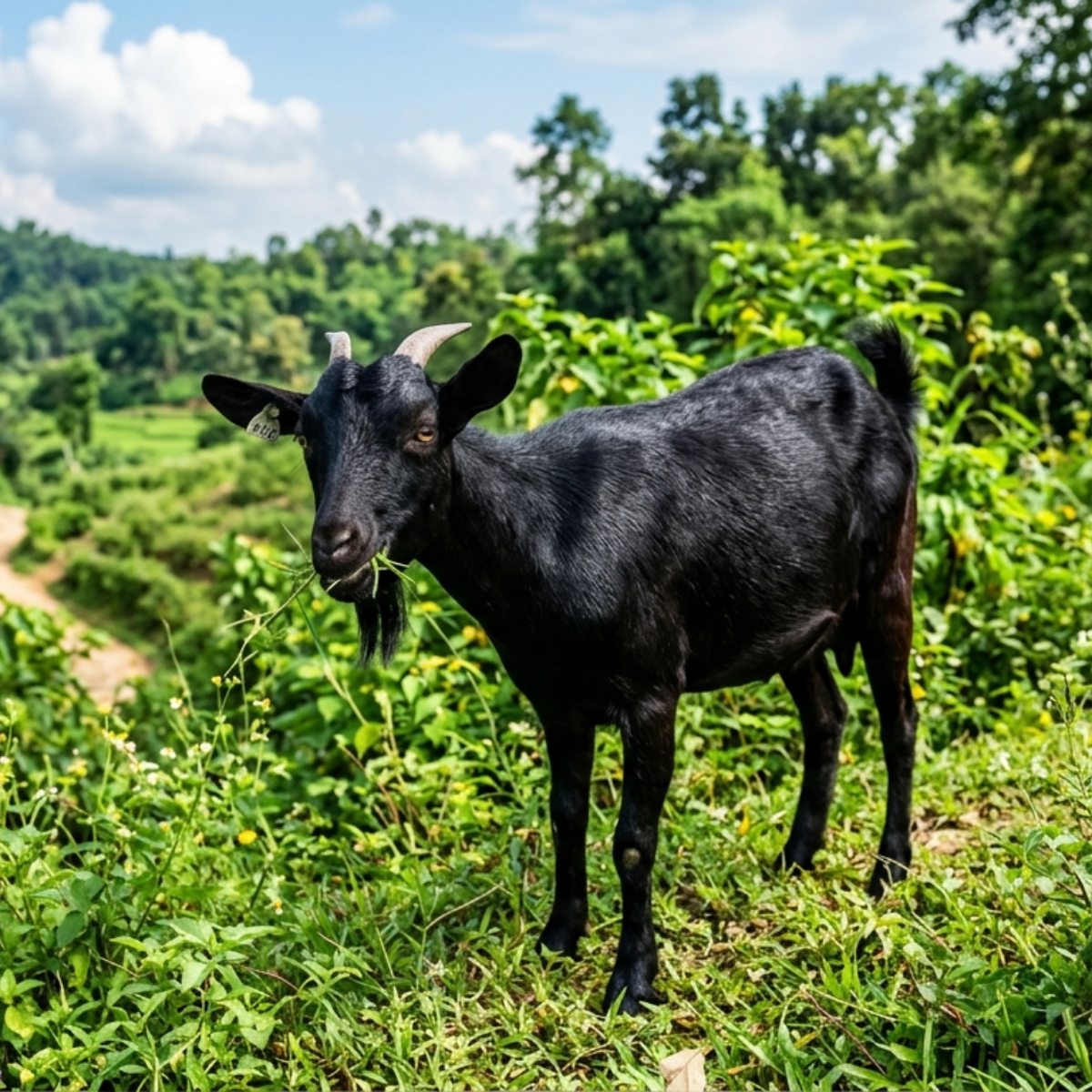
BLACK BENGAL

ORIGIN

India & Bangladesh

MAIN USE

Meat & Skin

KEY FEATURE

Small-Sized, hardy and
adaptable
grass

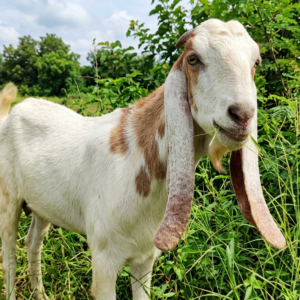
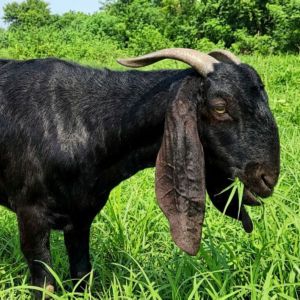
JAMUNAPARI

ORIGIN

Uttar Pradesh, India

KEY FEATURE

Large body with long, distinctive ears

MAIN USE

Milk & Meat
grass

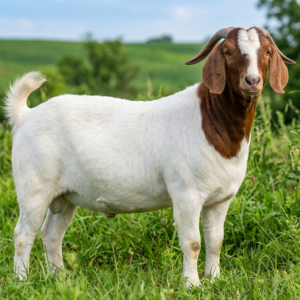
BOER

ORIGIN

South Africa

MAIN USE

Meat Production

KEY FEATURE

Fast Growth & strong meat-producing ability
grass

BEETAL

ORIGIN

Panjab region

MAIN USE

Milk & Meat

KEY FEATURE

Large body and good milk production

FROM BIRTH TO HEALTHY GOAT

Birth

A NEW BEGINNING

Day 0–7 — The first few days are an important start to a goat’s life. Newborn kids need warmth, their mother’s milk, a clean and dry environment, and close attention. Proper care during this early stage helps them stay active, comfortable and ready for healthy growth.

Kid

GROWING CURIOSITY

1–3 Months — As the kid grows, it becomes more active, playful and curious about its surroundings. Along with mother’s milk, it gradually begins exploring suitable solid foods such as soft grass and hay. A clean shelter, fresh water and gentle daily care support healthy growth during this important stage.

Growing

BUILDING STRENGTH

3–6 Months — During this stage, young goats become stronger, more active and increasingly independent. A balanced diet of fresh grass, green fodder, hay and suitable supplementary feed provides the nutrition they need for steady growth. Clean water, enough space to move and regular care help them develop into healthy young goats.

Young Goat

GROWING INDEPENDENCE

6–12 Months — Young goats are becoming stronger, more active and more independent as they approach adulthood. A nutritious diet of fresh grass, green fodder, hay and suitable supplementary feed supports continued growth and development. Regular movement, clean shelter, fresh water and attentive daily care help prepare them for a healthy adult life.

Adult

STRONG & HEALTHY

12+ Months — By adulthood, goats have reached a stage of greater strength, activity and independence. A balanced diet of fresh grass, green fodder, hay, clean water and suitable nutrition helps maintain their health and condition. Comfortable shelter, regular movement and attentive daily care support a strong, active and healthy adult life.

WHAT DOES A GOAT EAT

A balanced diet is essential for healthy growth, energy, and overall well-being.

Green Fodder

Fresh grasses & leafy plants provide natural nutrients, fiber, and moisture that support healthy digestion, energy, and overall well-being.

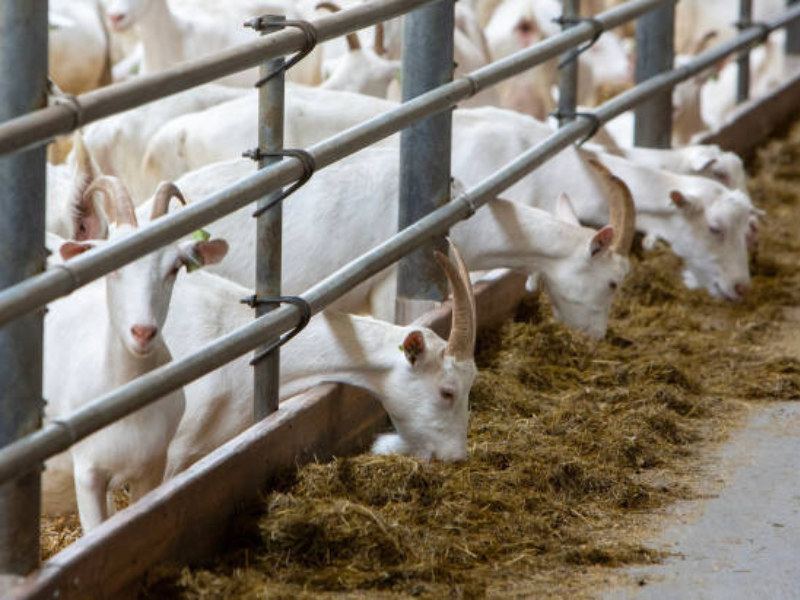
Dry Fodder

Hay & other dry fodder provide essential fiber and help support healthy digestion while adding variety to a goat’s daily feeding routine.

Tree Leaves & Browse

Nutritious leaves, shrubs, and natural browse can add variety to a goat’s diet while providing additional nutrients & supporting natural feeding behavior.
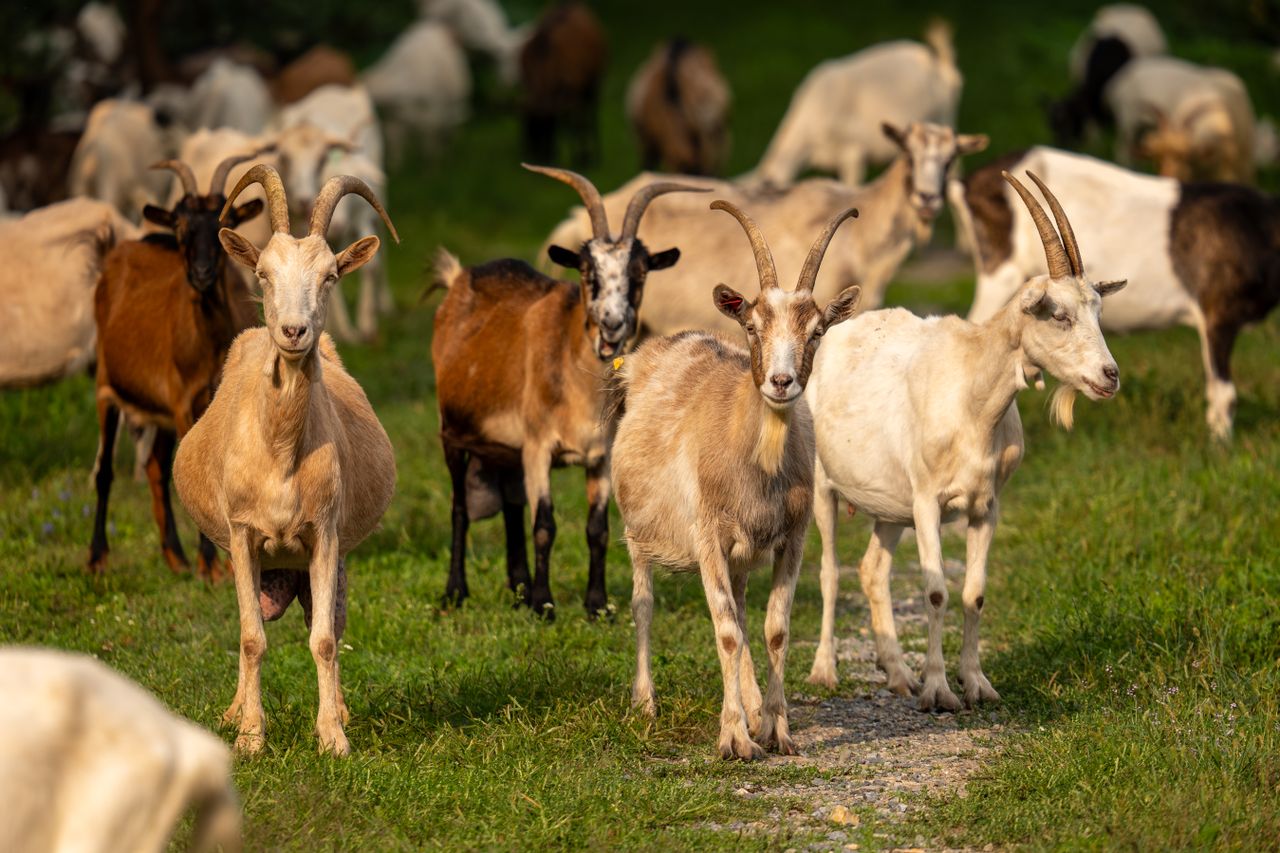

A herd of goats grazing in a lush green field in Kaniška Iva, Croatia, showcasing rural life.

Grains

Grains provide extra energy and nutrients that support healthy growth, activity, and body condition when included appropriately in a balanced goat diet.

Clean Water

Fresh, clean water keeps goats hydrated, supports digestion, regulates body functions, and helps maintain their overall health, energy, comfort, and well-being.

Minerals

Essential minerals support healthy bones, growth, muscle function, and overall development while helping goats meet their nutritional needs at every stage of life.
OUR GOAT CARE ROUTINE

MORNING
Start the with care
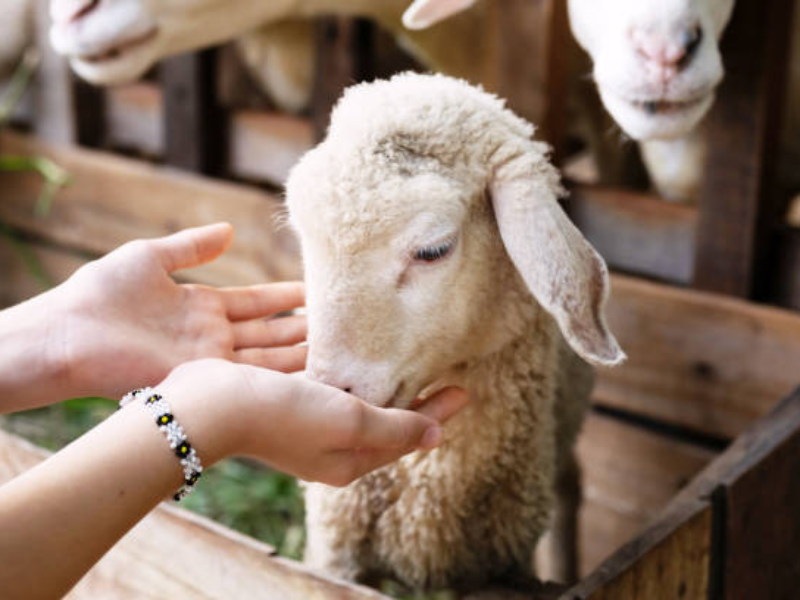
Feeding

provide fresh green fodder or balanced feed as per their age and needs.
MORNING
Start the day with care
Water check

Ensure clean,fresh water is available and troughs are the full and clean.
AFTERNOON
Time to move and observe
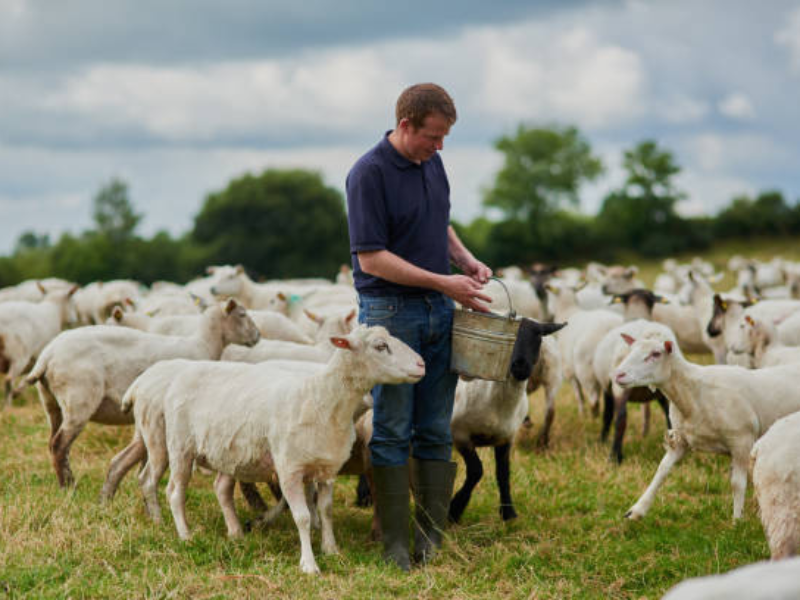
Grazing

Goats graze and browse naturally. It keeps them active and strong.
AFTERNOON
Time to move and observe
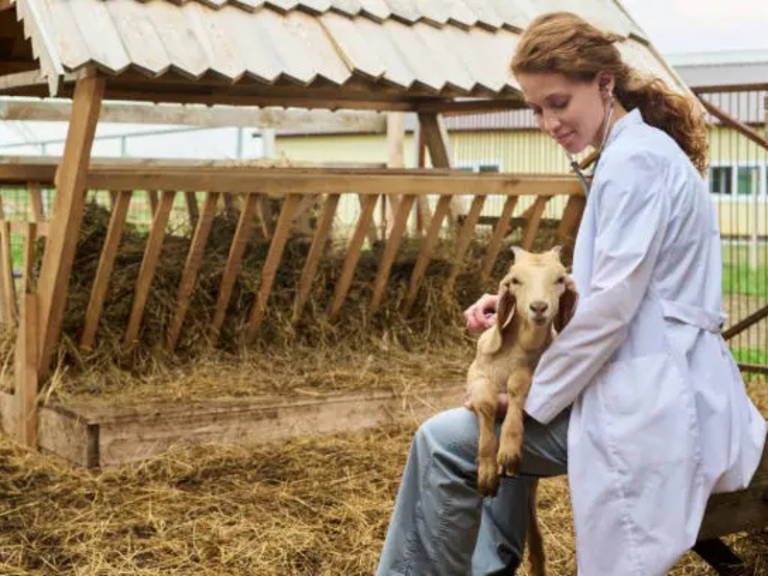
Health Observation

Check for behavior, appetite, injuries or any signs of illness.
EVENING
End the day with care
Feeding

Provide the evening feed to meet their nutritional needs.
EVENING
End the day with care
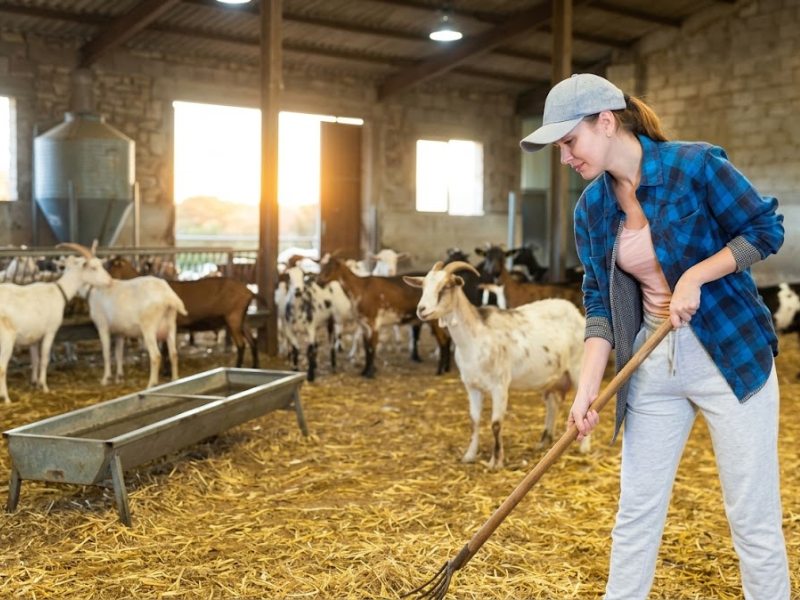
Shelter Cleaning

Clean the shelter, remove waste and keep bedding dry and comfortable.
CAN YOU SPOT A HEALTHY GOAT ?

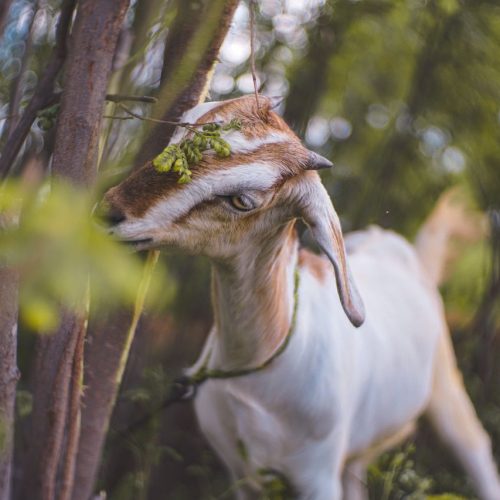
A young goat nibbling on leaves in a lush forest setting, showcasing natural wildlife behavior.

Clean & Bright Eyes

Bright, clean eyes are an important sign to observe when checking a goat's general health.

Active & Alert

A healthy goat is usually active, responsive and interested in its surroundings.

Clean Coat

A clean, well-kept coat can be a useful part of a general health check.

Strong Movement

Normal, comfortable movement and steady footing are important signs to observe.

Good Hydration

Fresh, clean drinking water should always be available to support everyday well-being.

Healthy Appetite

A normal appetite and regular eating are encouraging signs of everyday health.